


NEW FEATURES - View your local warehouse stock availability & bulk price breaks in the Quick Order screen while ordering!

Repeatable output is not a replacement for process stability

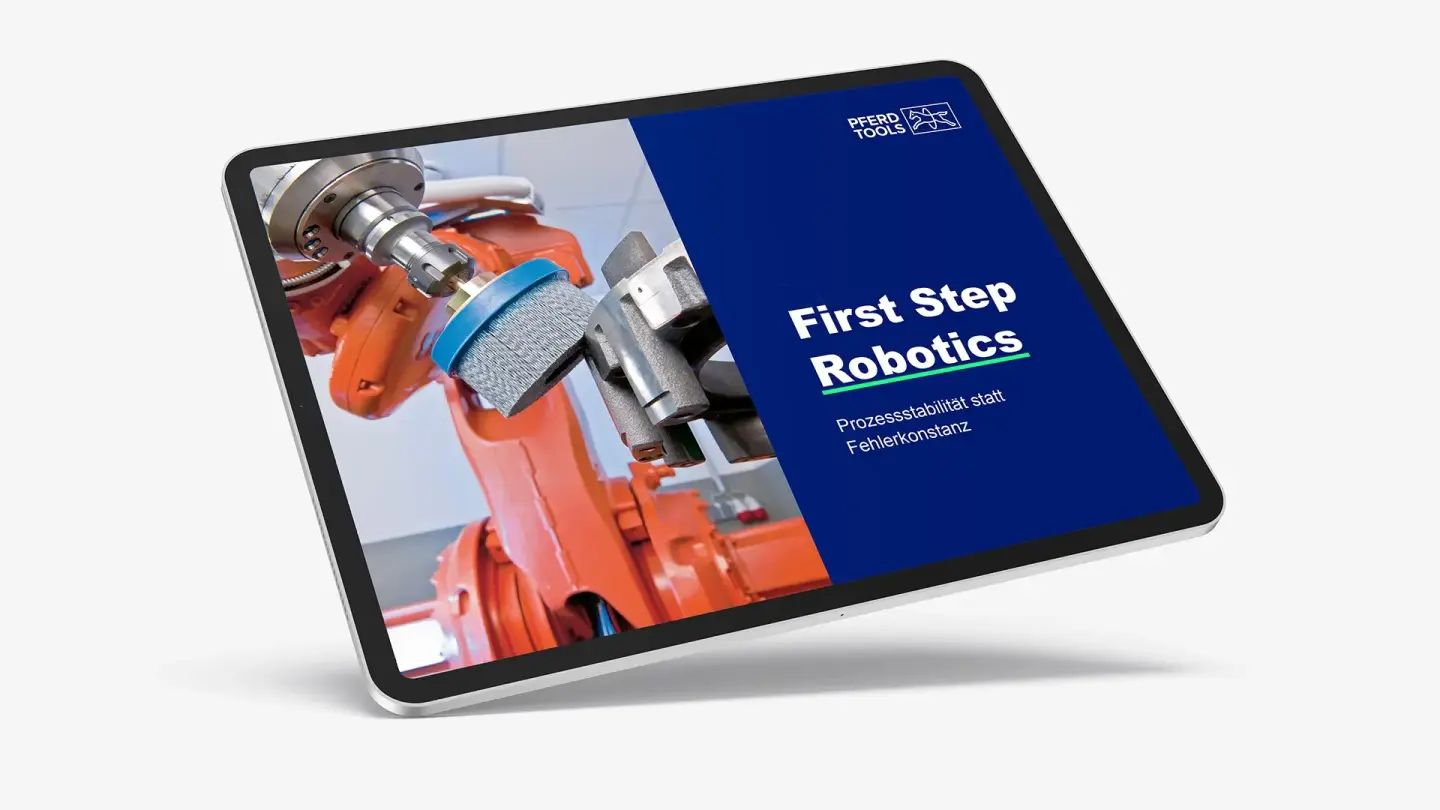
Automated manufacturing processes often reveal a fundamental mindset problem: A precisely programmed robot is expected to deliver stable results automatically. In practice, the opposite is often the case.

Although robots can repeat actions with great accuracy, this alone does not guarantee stable processes as the result depends not only on the movement, but on the entire process. Anyone who wants to improve process stability must therefore recognize instability at an early stage.

The process is constantly changing

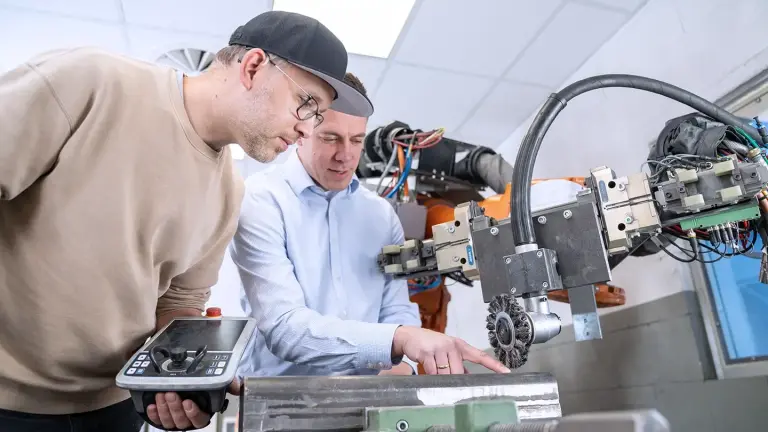
Robots are precise, but they do not react intuitively to changes in the process. Production processes, on the other hand, are dynamic: Tools wear out, materials change, temperatures fluctuate, forces vary.

The changes that experienced employees intuitively compensate for during manual processes must be specifically taken into account, regulated or controlled via stable process windows when running automated processes.

The result: A supposedly precise process delivers fluctuating results.

The importance of influencing factors

A robot can perform a movement identically thousands of times. However, identical movements do not automatically lead to identical results. This is because the result is not created by the movement alone, but by the interaction of many influencing factors.

Even small changes in one of these areas can have a major impact on the result. And automating an unstable process is the same as automating instability.

Recognizing typical warning signals

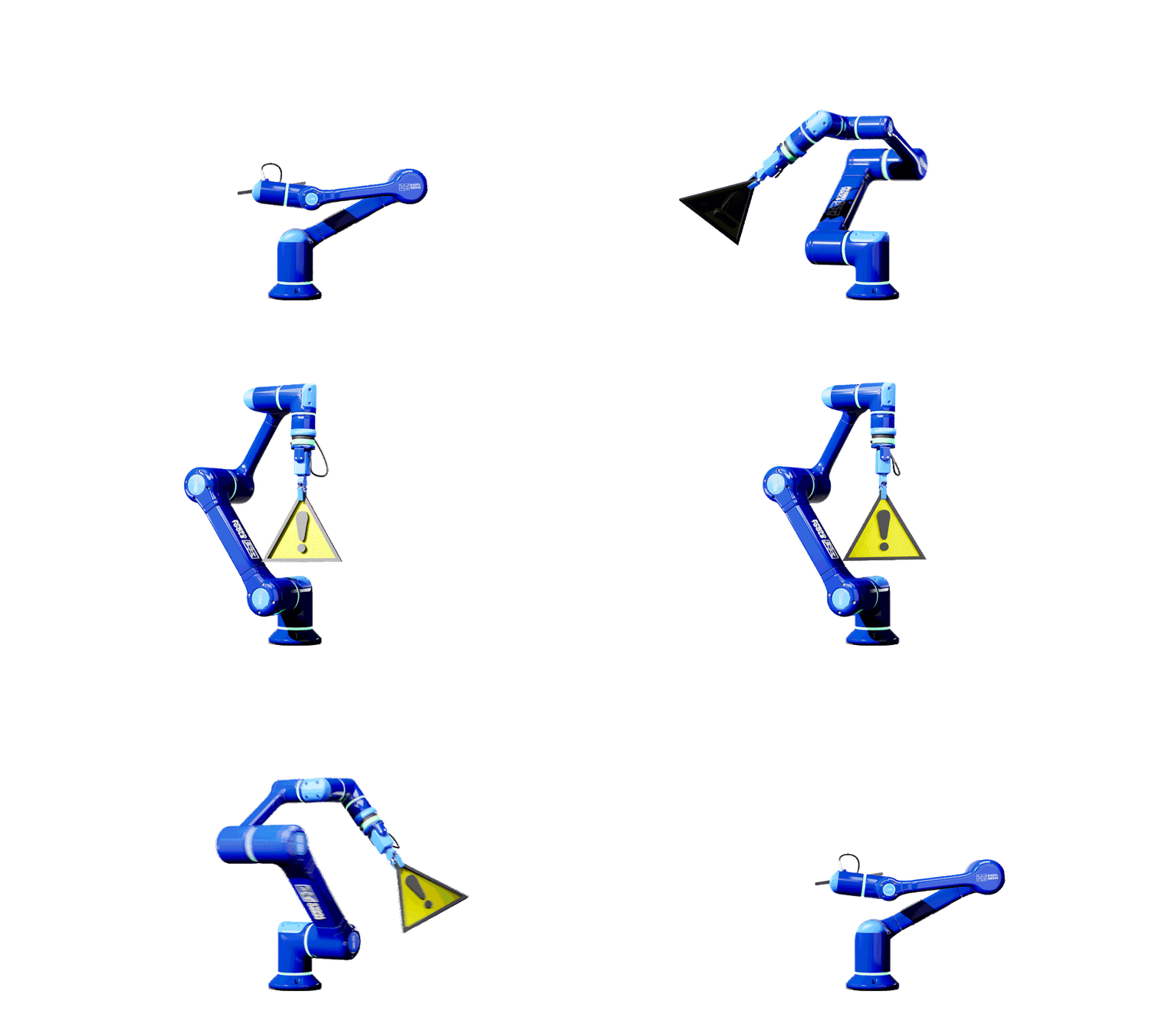
Unstable robotic processes are rarely immediately obvious. They often manifest themselves in symptoms that are initially attributed to other causes, but these are the first warning signs. They show that the process itself is not designed to be stable enough.

Would you have thought that the following symptoms are some of the initial warning signs that indicate a problem?

  • Variable surface quality despite the use of robots.
  • Rejections without a clearly recognizable cause.
  • Rework despite the use of automation.
  • Frequent manual adjustment of parameters.
  • Diminishing tool life of tools.
  • Uncertainty in the event of process changes.

Stable processes arise systemically – not by chance

A stable robotics process is the result of systemic understanding. It is not the robot alone that determines quality and efficiency, but the interaction of the following factors:

  • Material and application
  • Process forces
  • Drive technology
  • Tool properties
  • Wear behaviour

For production and process managers, this means that stability arises when influencing variables are known and controlled, interactions are understood and process limits are defined.

PFERD TOOLS Newsletter subscription

Register here free of charge for our PFERD TOOLS newsletter and receive all the latest news on products, services and promotions from the world of PFERD TOOLS on a regular basis.