
Differences, advantages and recommendations for use
Selecting the optimal grinding method plays an important role in the processing of workpieces. Wet and dry grinding are two basic processes that each have their own specific strengths.
What are the main differences between wet and dry grinding?
If possible, wet grinding should be preferred to dry grinding as it reduces tool wear, the risk of thermal damage to the tool and workpiece and dust production.
A binding system designed for wet grinding will be superior to a system for dry grinding in terms of productivity and service life.
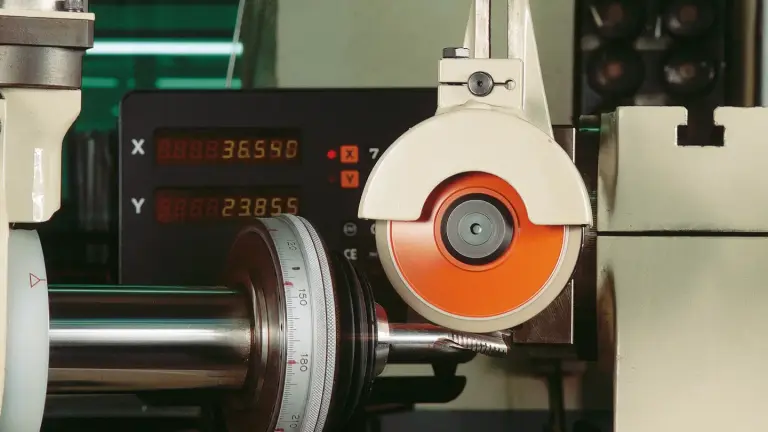
Cooling
- Wet grinding: Wet grinding uses a coolant such as emulsion or oil, which effectively dissipates the heat generated. This protects both the workpiece and the tool from thermal damage and increases the service life of the grinding tool.
- Dry grinding: Dry grinding takes place without coolant and is specially designed for applications where the use of liquids is not possible or necessary.
Process temperature
- Wet grinding: Significantly lower temperatures during grinding thanks to active cooling.
- Dry grinding: Higher process temperatures, which must be controlled through modified tool binding systems in order to avoid material damage.
What are the advantages of wet grinding?
In wet grinding, a coolant (e.g. emulsion or oil) is used to support the grinding process by dissipating heat effectively. This method is used in particular for applications that require a minimum thermal load.
- Optimized process reliability: The cooling reduces thermal stress, which minimizes the risk of workpiece deformation, cracks or surface damage.
- Longer tool service life: Less wear due to reduced friction and lower temperatures.
- Excellent surface quality: The grinding pattern is more uniform and free from thermal influences such as burn marks.
What are the advantages of dry grinding?
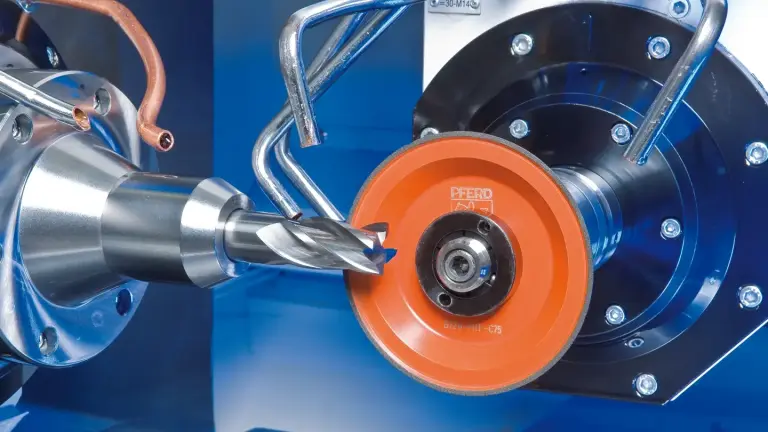
Dry grinding is carried out without coolant. Heat is dissipated via the workpiece and the binding of the abrasive. This process is particularly suitable for applications where the use of coolant is not practical.
Example of use: Resin-bonded diamond and CBN grinding tools are used dry on tool grinding machines, either because the machines are not enclosed appropriately or constant visual monitoring of the grinding process is required.
The right process for your application
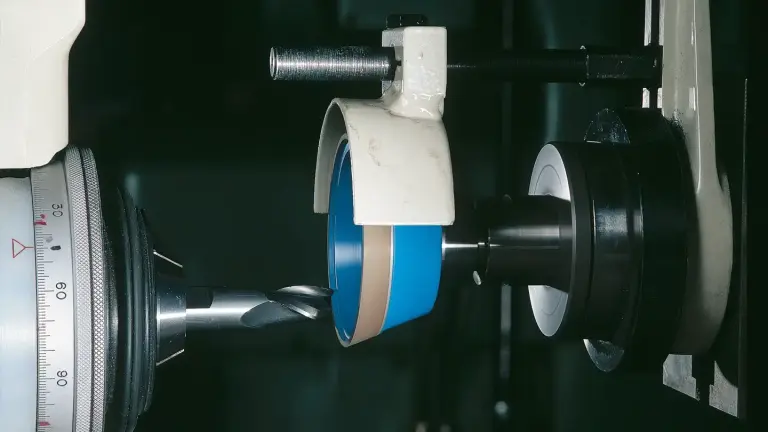
PFERD TOOLS offers a comprehensive range of diamond and CBN tools for wet and dry grinding. Our technical customer advisors will be happy to help you find the optimal solution for your grinding task.
Contact us – for maximum material processing efficiency and quality.
Contact us