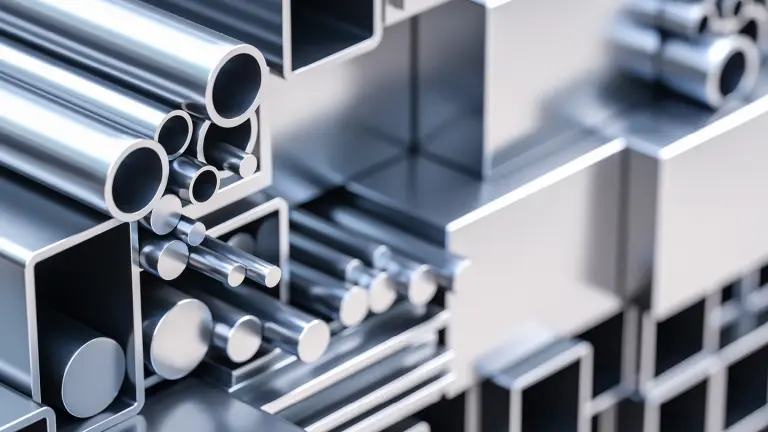
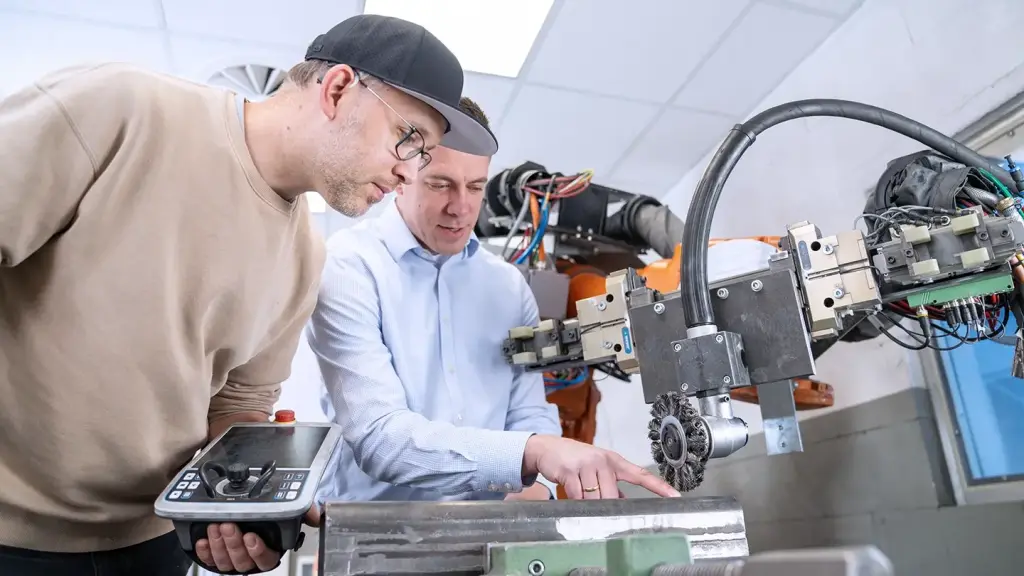
Stainless steel (INOX) is characterised in particular by corrosion resistance, but also by toughness, high mechanical strength and exceptional aesthetics. Due to its outstanding material properties, this material offers a wide range of applications, but also places special demands on grinding tools.
What is corrosion?
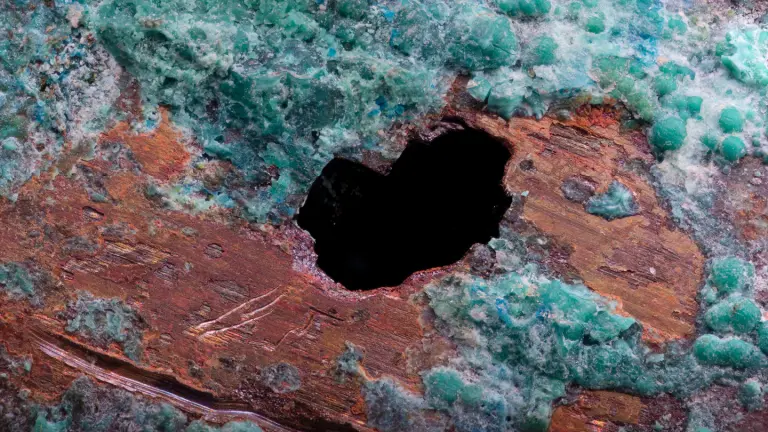
Corrosion is a natural, electrochemical or chemical degradation process of metals caused by their reaction with the environment. The process attacks the material and can partially or completely destroy it.
Corrosion causes considerable economic damage, particularly in industrial applications, as it impairs the functionality, safety and durability of components.
Is corrosion the same as rust?
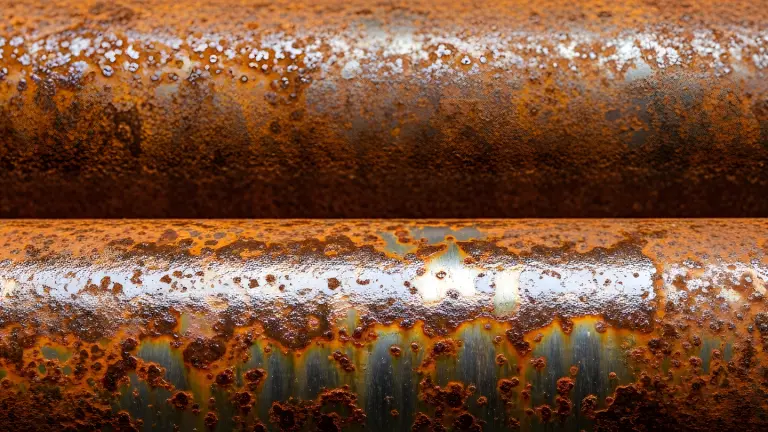
Not quite. Rust is a specific form of corrosion that occurs in unalloyed or low-alloy steel through a reaction with oxygen and moisture. Stainless steel, on the other hand, corrodes differently.
In the case of INOX, experts tend to speak of intergranular corrosion, crevice corrosion or pitting corrosion – depending on the cause and appearance. Rust in the form of a brown, porous deposit usually only occurs on stainless steel if the surface is contaminated or damaged.
When does corrosion occur?
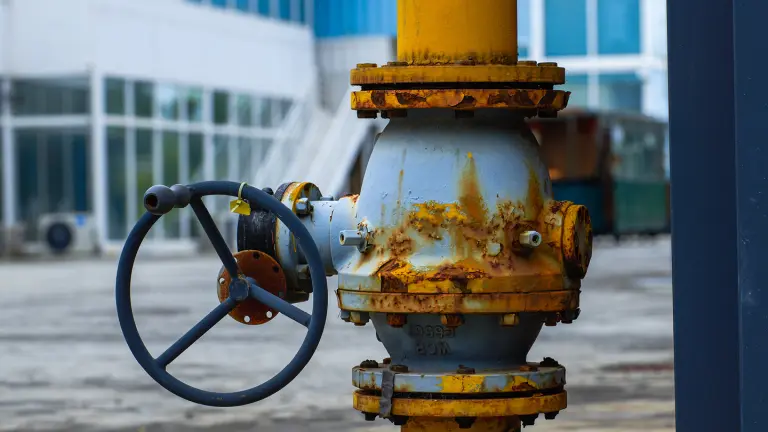
Corrosion on stainless steel often occurs when the protective chromium oxide layer on the surface is damaged, for example, through mechanical impact, excessive heat or foreign particles such as iron dust. Aggressive agents such as chlorides or acidic substances can also attack the passive layer.
A typical cause is the use of incorrect or unsuitable grinding and brushing tools that transfer foreign materials or alter the surface due to excessive heat input.
Why does corrosion need to be prevented?
Corrosion not only impairs the visual appearance, it also negatively affects the technical integrity and hygiene of components – characteristics that are particularly critical in sensitive sectors such as the food industry, medical technology, equipment manufacturing and the chemical industry.
It can lead to leaks, loss of function or, in the worst case, safety-critical failures.
What types of corrosion exist?
Corrosion on stainless steel occurs in different forms – depending on the type of stress, material and environmental conditions:
- Pitting corrosion: Localised corrosion that penetrates the surface, usually caused by chlorides.
- Crevice corrosion: Occurs in tight spaces, e.g. under seals or fasteners.
- Intergranular corrosion: Occurs along grain boundaries, especially after improper heat treatment.
- Contact corrosion (galvanic corrosion): Occurs when stainless steel comes into contact with less noble metals.
- Surface corrosion: Uniform corrosion across large surfaces.
How corrosion can be avoided 1:
Using the right grinding tool
The first step in preventing corrosion starts with choosing the right tool. When processing stainless steel, it is crucial to use grinding tools designed for this purpose, at PFERD TOOLS, these tools are marked with INOX or STEELOX and a corresponding pictogram.
Another important factor is heat input. Excessive heat can damage the protective passive layer on the surface. For this reason, only tools developed for stainless steel with the largest possible grain size, or precision-formed high-performance abrasives such as VICTOGRAIN, should be used.
How corrosion can be avoided 2:
Ensure clean working conditions during use
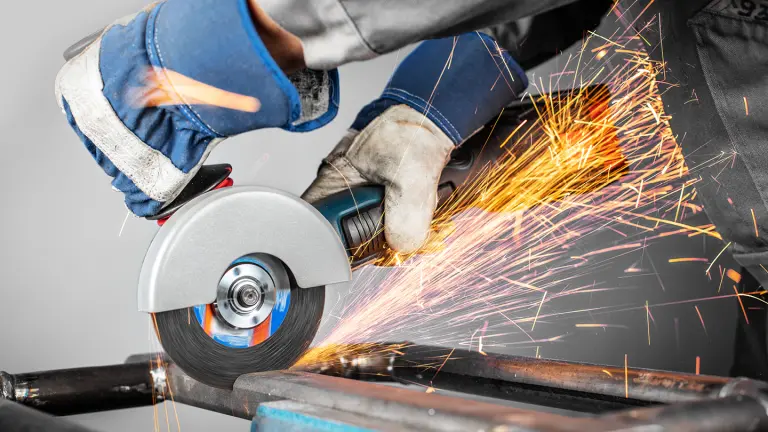
A lot can also be done during the actual processing of the material to prevent corrosion problems. Always work with low contact pressure and with oscillating movements, especially when working on thin-walled components. This prevents discolouration caused by heat.
Grinding tools previously used on steel must not later be used on stainless steel. This can cause adhering steel particles to be transferred to the workpiece, and this can lead to corrosion later on. The workpiece should also be protected from grinding dust and sparks. Sparks should be directed away from the workpiece and grinding dust should be removed.
How corrosion can be avoided 3:
Proceed directly to finishing
Do not delay after the rough grinding stage – proceed immediately to the finishing stage. This helps to ensure the desired surface quality and avoid further influences on the passive layer.
If tarnishing or oxidation marks do occur during grinding, these must be removed by a subsequent fine grinding process. And last but not least: thoroughly clean the components. Any mechanical processing leaves residues behind. It is essential to remove these from stainless steel in order to fully restore its corrosion resistance.